
Core Concepts: Self-Aware Leaders and Happy Workplaces - Reflections on the Global Workplace Happiness Report, 2026
Knowing Self-Aware Leadership Minimalistical

Hello KSKOers
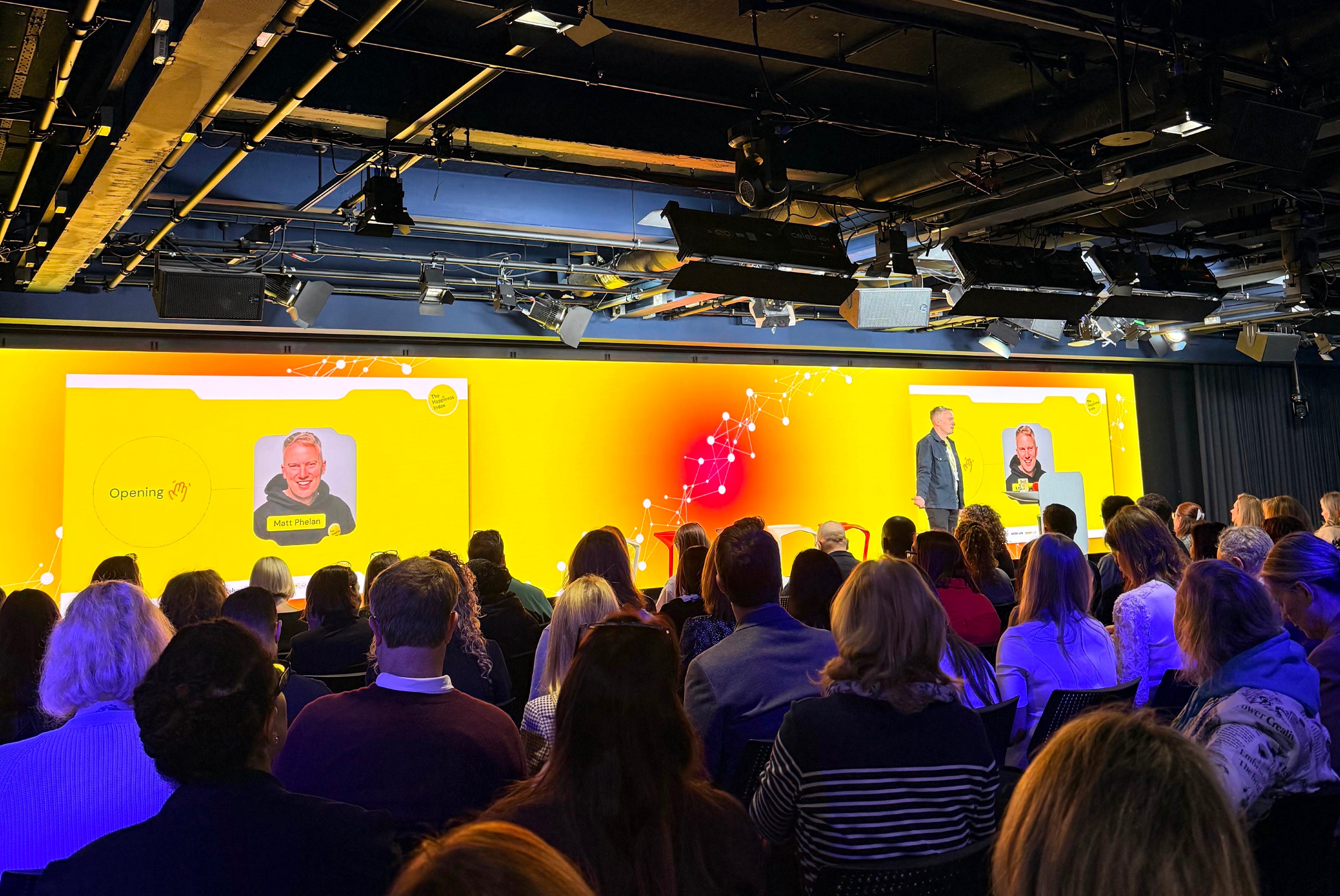
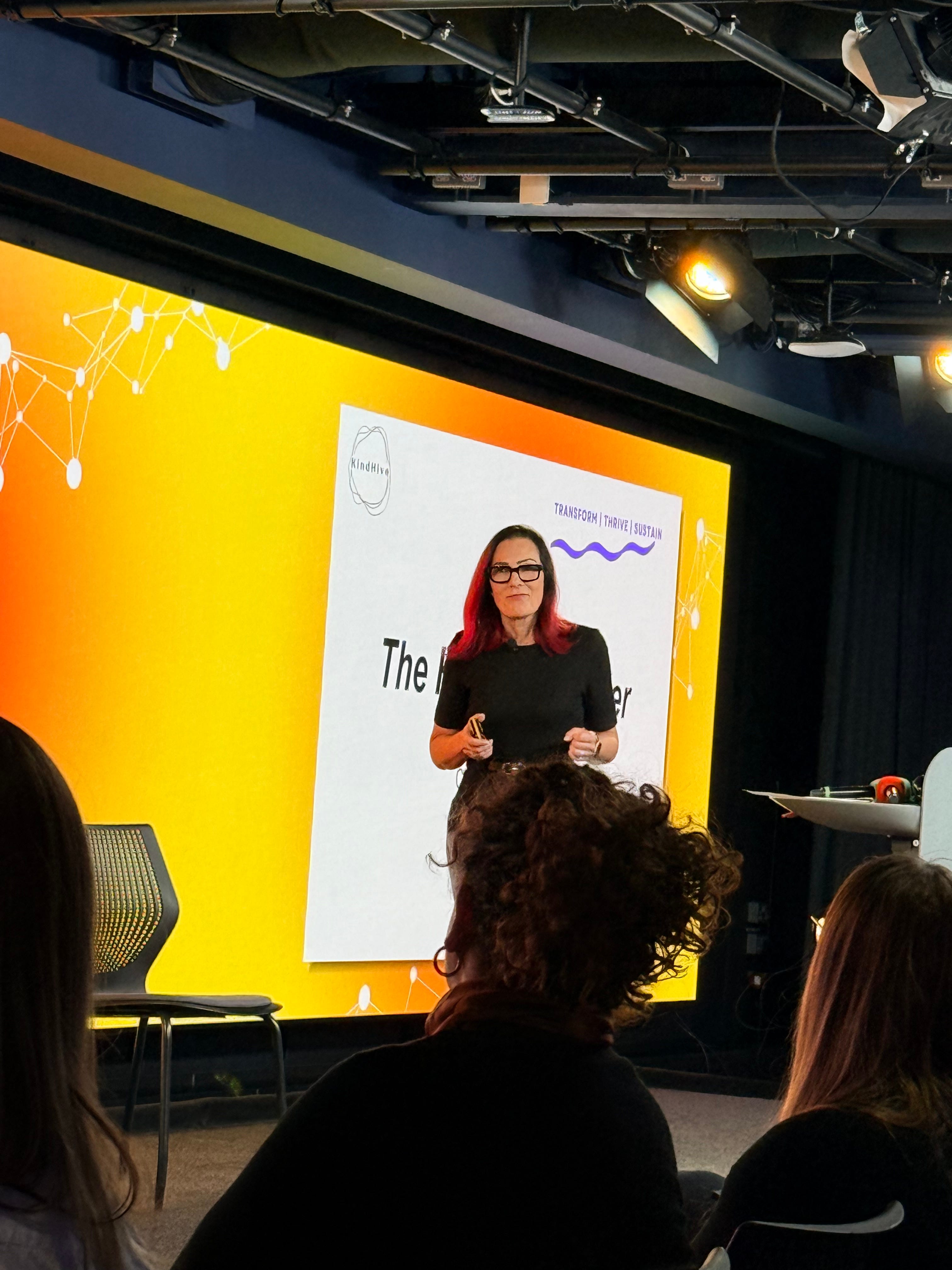
This week I went to the launch of the Global Workplace Happiness Report 2026 by The Happiness Index at Google’s London HQ.
As I listened to the presentations, it became very clear, that the 9 behaviours of my self-aware leadership compass align directly with the findings of the report. The same relational dynamics at the heart of self-aware leadership are central to what makes workplaces happy. Join me as I share the connections.
Looking forward to joining you on your learning journey.



Care — Kindness is an essential element of organisational infrastructure. It’s not a nice to have. It shapes how feedback is given and how people experience being heard. Friction isn’t the enemy, and through establishing a caring culture, effective leaders create conditions to move through and beyond moments of friction constructively.
Humility — Being valued is one of the lowest-scoring yet most influential dimensions of workplace happiness findings in the report, globally. For me, humility means stepping aside at the right moments and making sure people’s contributions are named and felt.
Authenticity — Alignment between what you think, say, feel and do creates predictability, and predictability alongside consistency creates psychological safety. Authenticity is often felt more confidently with seniority, but it also grows alongside confidence at any work-life stage.
Reflection — Space to pause is the first thing to disappear in busy organisations. Without it, learning becomes accidental. Reflection is what turns experience into an opportunity for growth.
Trust — Trust is built through consistency and eroded by the gap between what organisations say and what they do. It lives in behaviour, not intention. Trust is an activity not a passivity.
Adaptability — Clarity is the enabler of adaptability. When people don’t know where to start, they don’t have a concept against which to innovate. ‘Cognitive surplus’, which is freed up by psychological safety and role clarity, is what makes agility possible.
Behaviour — What gets noticed gets repeated. What gets tolerated becomes the standard. Culture is behaviour in action, whether leaders intend it or not. Model the behaviour you want to see. Recognise and reward the behaviour you want repeated.
Listening — It’s not enough to believe you’re listening, people have to experience being heard. Listening is a cultural signal about whether people are participants or spectators, which links directly to engagement, empowerment and belonging.
Experience — Learning from experience only compounds in value when it’s shared. Mentoring, coaching and reflection turn individual experience into collective growth.
The Last Word
The launch reminded me that work and life are no longer separate. Employee expectations have shifted: engagement, inclusion, recognition and listening are no longer initiatives, they’re the baseline of the workplace contract. The biggest takeaway for me? The behaviours on the Compass aren’t abstract ideals. They’re grounded in what the data shows actually makes a difference to how people feel at work. The Report validates the work, and left the Launch more inspired than ever to keep learning.
More…


Nia is an expert leader who talks the talk and walks the walk. She is an academically awarded thought leader in self-aware leadership and practices self-aware leadership every single day in her role as an Interim CEO in a homelessness charity.
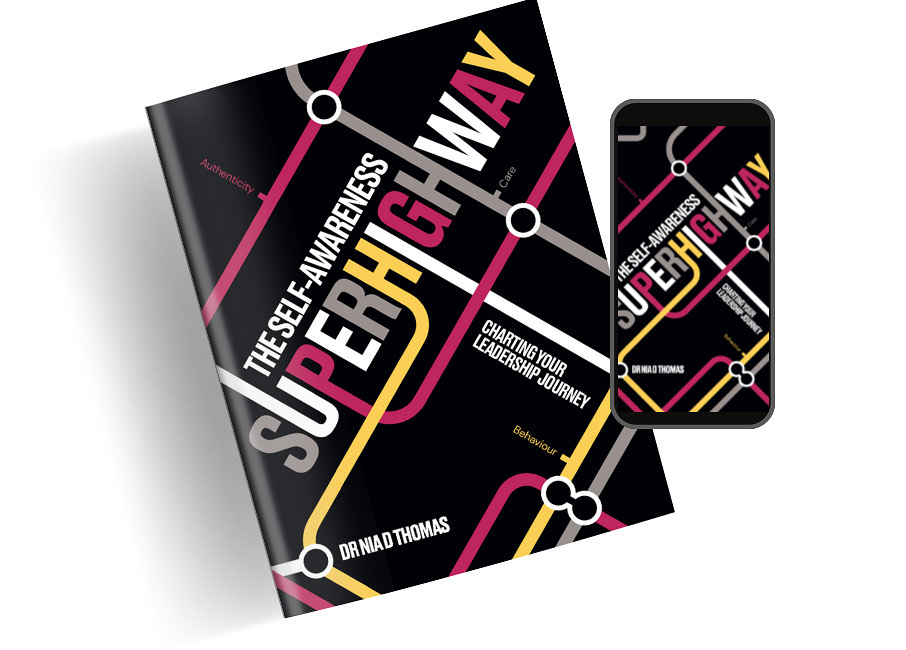
Find out more about Self-Aware Leadership by getting your very own copy of The Self-Awareness Superhighway! It’s an Amazon Best Seller in.....
🥇Business Management & Leadership
🥇Occupational & Organisational Psychology
🥇Business Careers
Agree that authenticity should be part of this list. Leaders we often given a set of values to adopt, but it might not be something they intrinsically align with. It’s far better to be authentic with your personal values and see how they align with organisational values. For me— it’s about changing mindsets and perceptions before behaviour